Who Does What: TRA vs TanTrade vs TBS vs TASAC vs TPA
Published 26 September 2026 · Commodities.tz Editorial
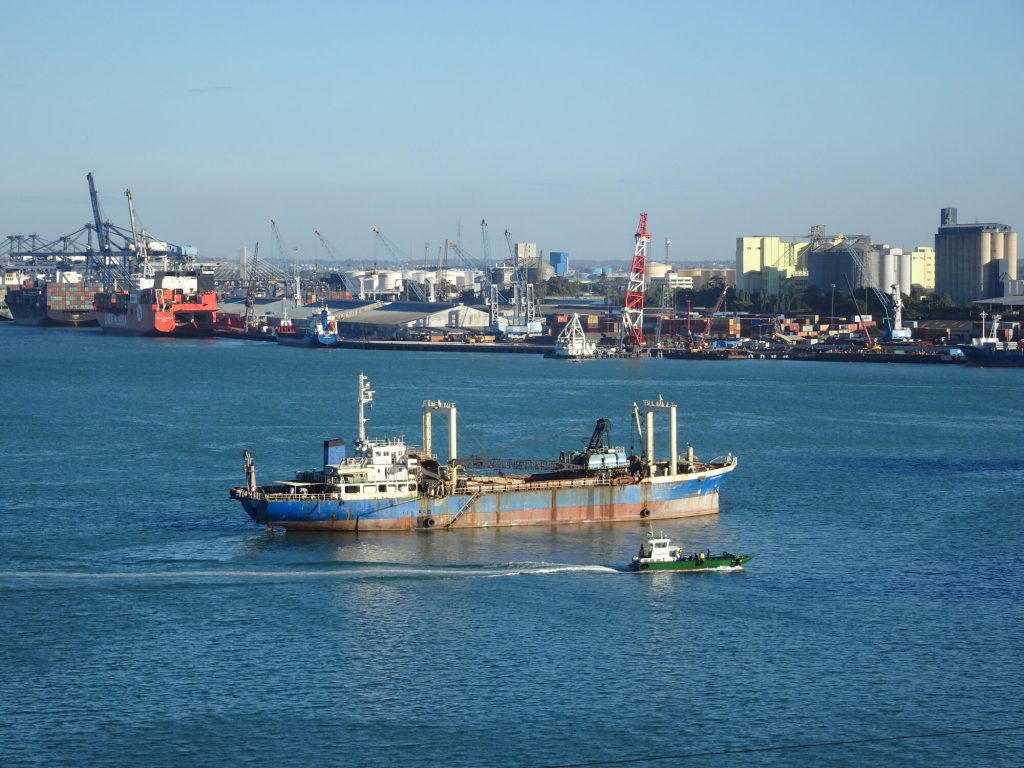
Ask a first-time Tanzanian exporter which agency they need to deal with, and the honest answer is: several, and it depends what you’re shipping. Here’s the actual map — who does what, and where to find them.
TRA — customs declaration and clearance
The Tanzania Revenue Authority runs customs clearance through the Tanzania Customs Integrated System (TANCIS), covering both Mainland and Zanzibar declarations under the East African Community Customs Management Act 2004. In practice, you won’t interact with TANCIS directly — you’re required to use a licensed Clearing and Forwarding Agent (CFA), who uploads your documents (commercial invoice, packing list, your TIN certificate, an authorization letter, and any sector-specific export certificate) and must notify customs before loading so an officer can witness it.
TanTrade — the trade-procedure portal
The Tanzania Trade Development Authority runs the Tanzania Trade Portal (trade.tanzania.go.tz), which documents over 200 export/import procedures, HS-code lookups, institution contacts, and certificate-of-origin processes for the EAC, AGOA, SADC, EU and AfCFTA preference schemes. It’s the closest thing to an official one-stop reference — genuinely broad, though we found at least one linked tariff document still referencing the “EAC CET 2017-2” schedule, a sign parts of the portal aren’t kept current. Treat it as authoritative for procedure, and cross-check anything date-sensitive.
TBS — standards and conformity
The Tanzania Bureau of Standards runs Pre-Shipment Verification of Conformity (PVoC) — but this is primarily an import-side control, verifying goods shipped into Tanzania meet TBS standards before they leave their country of origin. On the export side, TBS issues domestic Certificates of Conformity and quality marks (Standards Mark, Batch Certification, Tested Product Certification schemes), and inspection duties for specific export crops — cashew, grain — sit partly with SGS’s Dar es Salaam labs.
Plant Health & Pesticides Authority — phytosanitary certificates
Anything agricultural needs a phytosanitary certificate and plant export permit under the Plant Health Act, issued through the Ministry of Agriculture’s Plant Health and Pesticides Authority.
TASAC — shipping agency regulation
The Tanzania Shipping Agencies Corporation, created in 2017 under the Tanzania Shipping Agencies Act (replacing the old SUMATRA shipping mandate), licenses and regulates shipping and cargo agents and administers the Merchant Shipping Act. You’ll encounter TASAC indirectly, through the freight forwarder or shipping line you use.
TPA — the port itself
The Tanzania Ports Authority manages port infrastructure and tariffs. Dar es Salaam alone handles roughly 95% of Tanzania’s international trade volume — see our companion piece on 2026 port capacity for what that concentration means for your shipping timeline.
Sector-specific bodies
On top of the above, specific commodities carry their own licensing layer — raw cashew nut exporters need a buying/processing license via the Agricultural Trade Management Information System (ATMIS) plus a 15% FOB (or USD 160/tonne, whichever is higher) export levy. Coffee, cotton, tobacco and timber each have their own sector permit and regulatory body. We cover cashew’s process in detail in a companion piece; we’ll add the others as we verify them.
- TRA export-procedure requirements via TRA; TANCIS/EACCMA framework via trade.gov and ZATRA; TanTrade portal at trade.tanzania.go.tz; TBS certification/inspection via TBS; TASAC mandate via PMAESA; ATMIS cashew levy via TanTrade's procedure database. Last verified September 2026 — procedures and levies change; confirm current requirements with your CFA or TanTrade directly before relying on this for a live shipment.