Tanzania’s Bean-to-Bar Makers: Who Is Actually Making Chocolate Here
Published 26 September 2026 · Commodities.tz Editorial
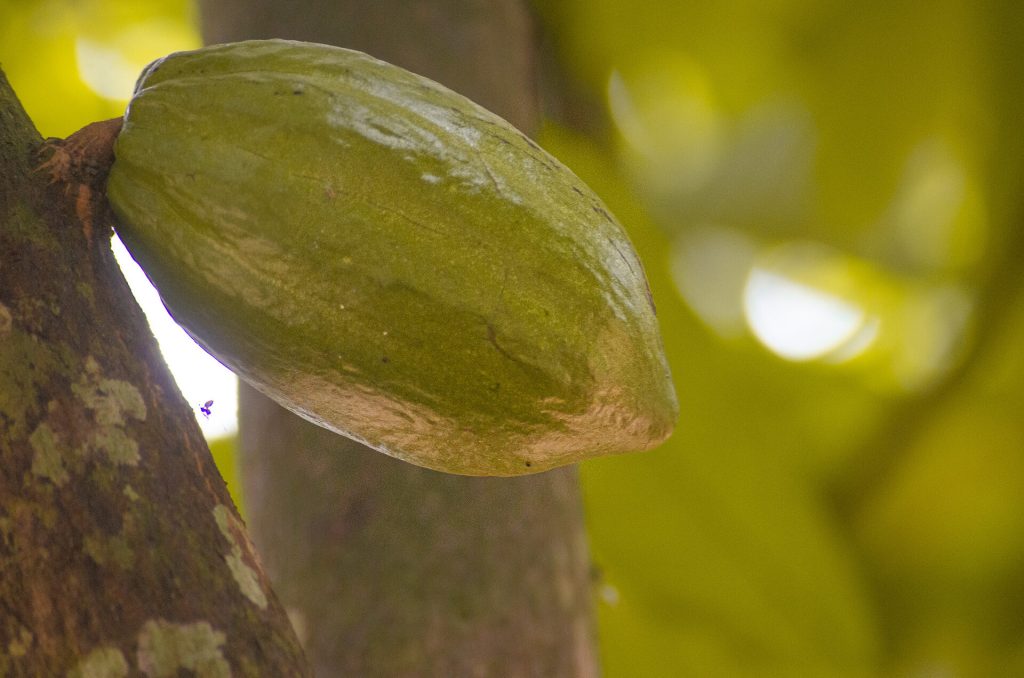
Tanzania grows cacao. It does not, in any real industrial sense, make chocolate — not yet. But a small number of real businesses are trying to close that gap, and it’s worth being precise about who they are, because the honest answer is shorter than the marketing around “Tanzanian chocolate” sometimes suggests.
The makers that actually exist
Munny Chocolate describes itself as Tanzania’s own bean-to-bar factory, sourcing cocoa from growing areas in Tanga, Mbeya and Morogoro and producing dark and milk bars, cocoa butter and cocoa powder, alongside a corporate-gifting line sold domestically. It is, as far as we could verify, a currently operating manufacturer with its own e-commerce presence — one of the few Tanzanian brands that takes beans in and finished chocolate out, inside the country.
Chocolate Mamas (registered as Gourmet Tanzania Chocolate Ltd.) has a longer public history. Founded in 2012 by Jaki Kweka, a lawyer who moved into chocolate-making, it built bars from Tanzanian cacao and local sugar and sold through retail outlets in Dar es Salaam, Arusha and Zanzibar, aimed largely at tourists, expatriates and higher-income local buyers. Press coverage of the company is thin after roughly 2019–2020; we treat its current operating status as unconfirmed rather than assume continuity, and would want to verify directly before listing it as active in the directory below.
Kokoa Kamili is not a chocolate maker in the finished-bar sense — it is a centralized fermentary in Mbingu, in the Kilombero Valley, founded in 2013, and it is arguably the most consequential single business in this story. It buys wet cacao from an estimated 2,500–3,000 smallholders, pays above-market rates, and runs Tanzania’s only commercial centralized fermentation and drying operation. Its beans go on to international craft makers — Dandelion Chocolate, Omnom, Raaka, Letterpress, Chocolate Naive among them — who turn them into bars sold as single-origin Tanzania chocolate, usually without much visibility into the fermentary behind them.
Where the line actually sits
That distinction matters for how this site is organized. Growing, fermenting and drying cacao — Kokoa Kamili’s work — is a raw-material story that belongs with Cacao.tz. Turning fermented beans into finished chocolate — what Munny Chocolate does domestically, and what Dandelion or Omnom do with Kokoa Kamili’s beans abroad — is what we mean by “chocolate,” and it’s a much smaller list of businesses than the raw-cacao side of the industry.
What this doesn’t add up to, yet
It would be easy to write this as a bigger story than it is. It isn’t one. Tanzania produced roughly 15,000 tonnes of cocoa in 2024 — about 0.3% of world output, and 21st globally — grown by around 32,500 farmers on roughly 18,000 hectares, concentrated overwhelmingly (90–95%) in Mbeya region’s Kyela and Rungwe districts. Set against that small base, a handful of real manufacturers is exactly what you’d expect: an emerging value-addition effort, not an established chocolate industry. We’ll track it as it grows, and we won’t inflate the count to make the story look more finished than it is.
- Munny Chocolate, self-reported company description (munnychocolate.co.tz); Kokoa Kamili company site and profiles in The Chocolate Journalist and The Chocolate Professor; Chocolate Mamas background via VOA News; national production figures via IndexBox. Compiled September 2026 — company operating status is verified only to the extent stated above; where we say "unconfirmed," treat it as such until we complete direct outreach.